

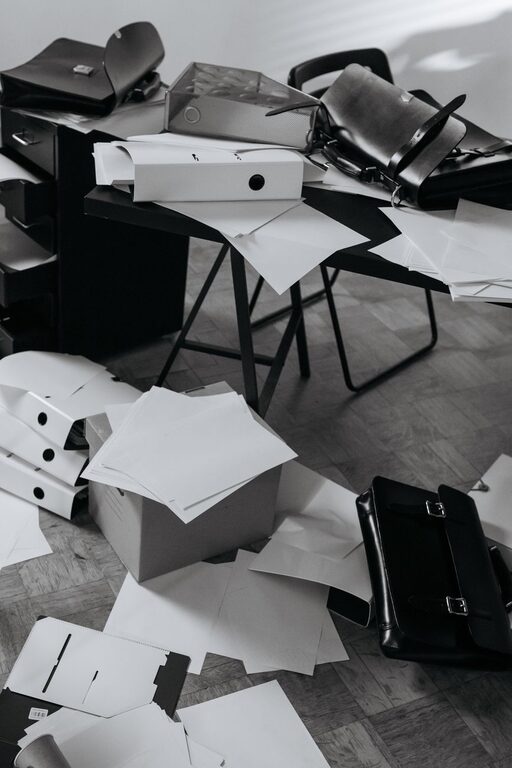
Paper clutter is a common challenge in many households. Bills, mail, receipts, school papers, and random notes can quickly accumulate, creating a chaotic environment that feels overwhelming. Fortunately, reducing paper clutter doesn’t require a major overhaul or costly tools. With a few simple strategies and consistent habits, you can regain control over your home’s paper flow and enjoy a tidier living space.
In this post, we’ll explore practical, easy-to-implement ways to reduce household paper clutter.
Why Reducing Paper Clutter Matters
Before we dive into the tips, let’s briefly consider why tackling paper clutter is worthwhile:
– Improves organization: Less paper means easier access to important documents.
– Reduces stress: A clutter-free space helps calm the mind.
– Saves time: Spending less time sorting through piles allows you to focus on what matters.
– Creates more space: Clearing paper frees up surfaces for other uses.
Now, let’s look at how to achieve these benefits step by step.
1. Sort and Purge Regularly
The foundation of reducing paper clutter is to sort through existing piles and get rid of unnecessary papers.
– Set aside a dedicated time: Schedule 15-30 minutes once a week or month to tackle your paper sorting.
– Create sorting categories: For example, “Keep,” “Shred,” “Recycle,” and “Action.”
– Be ruthless: Toss outdated flyers, junk mail, and papers with no use.
– Use a shredder: Safely dispose of sensitive information like bills or bank statements.
Regular purging keeps clutter from building up again.
2. Go Digital When Possible
Switching to digital alternatives is one of the most effective ways to reduce paper clutter.
– Opt for e-statements: Many banks and service providers offer paperless billing.
– Scan important documents: Use a scanner or smartphone app to create digital copies of receipts, contracts, and manuals.
– Use cloud storage: Keep your digital documents organized and backed up in services like Google Drive or Dropbox.
– Set email filters: Organize electronic bills and statements into designated folders.
Going digital lowers your paper intake and makes document retrieval quicker.
3. Create a Paper Command Center
Having a dedicated space for incoming paper helps manage it efficiently.
– Choose a central location: Near the front door or kitchen works well.
– Use sorting trays or folders: Label them as “To Do,” “To File,” “To Pay,” and “To Shred.”
– Handle mail immediately: Open and sort mail daily instead of letting it pile up.
– Have supplies ready: Keep pens, stamps, and envelopes nearby for quick action.
A command center helps you stay on top of paper as it arrives.
4. Use Filing Systems for Important Documents
Organizing papers you need to keep helps avoid clutter and frustration.
– Get a filing cabinet or portable file box: Choose what fits your space and budget.
– Label folders clearly: Group documents by category such as “Taxes,” “Medical,” “Warranty,” etc.
– Purge files annually: Remove documents no longer needed.
– Keep essential papers accessible: Store items like passports and birth certificates in a fireproof box.
A simple filing system maintains order and reduces paper piles.
5. Limit Physical Mail
Reducing the amount of paper you receive helps prevent clutter before it starts.
– Opt out of junk mail: Visit websites like DMAchoice to reduce unsolicited mail.
– Unsubscribe from catalogs: Use catalogchoice.org or contact companies directly.
– Switch magazine subscriptions to digital: Many publishers offer e-versions.
Cutting down incoming mail lowers the load on your sorting system.
6. Use a Planner or Notebook to Replace Sticky Notes
Sticky notes and random scraps of paper add up quickly.
– Keep a single notebook or digital planner: Consolidate your to-dos and reminders.
– Use apps for notes: Simple apps like Google Keep or Microsoft OneNote can replace paper notes.
– Clear notes regularly: Review and remove completed items.
Having one dedicated place for notes reduces paper clutter and improves productivity.
7. Reuse Paper Creatively
Instead of tossing every scrap immediately, consider ways to reuse paper.
– Use the blank side for grocery lists or doodles.
– Cut large sheets into smaller notepads.
– Use old envelopes for storage or organizing small items.
Creative reuse helps reduce waste and maximizes paper’s usefulness.
8. Educate Family Members
Paper clutter is easier to manage when everyone in the household participates.
– Create clear rules: Set expectations for sorting mail and papers.
– Make it easy: Provide recycling bins and shredders accessible to all.
– Encourage digital habits: Help family members sign up for paperless accounts.
– Hold regular decluttering sessions: Get everyone involved.
A team effort creates a clutter-free home faster.
Final Thoughts
Reducing household paper clutter is all about building simple, consistent habits. Whether it’s sorting paper regularly, going digital, or setting up a command center, small changes can make a big difference. With a little time and effort, you can create a more organized, peaceful home environment that supports your daily life.
Start with one or two tips today and watch your paper clutter shrink!