

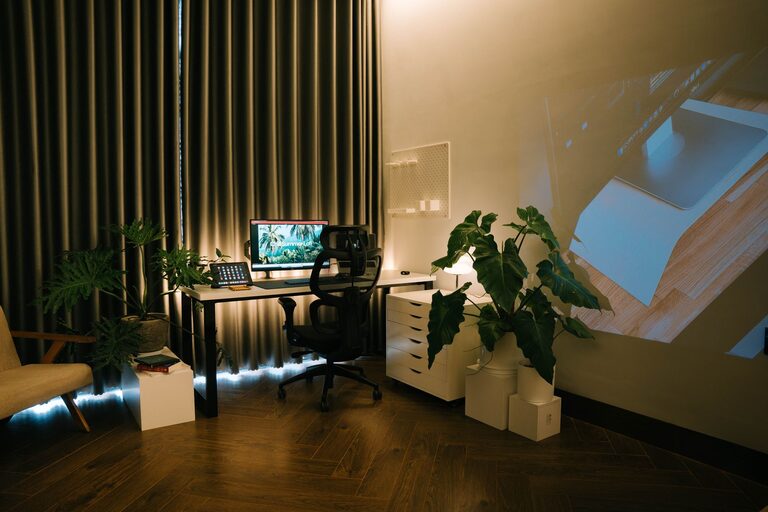
Creating a relaxing home workspace is essential for maintaining focus and reducing stress, especially when many of us spend a significant part of our day working from home. A well-designed environment can inspire creativity, improve concentration, and make your workday more enjoyable. Whether you have a dedicated room or just a corner of your living space, this guide will help you transform it into a peaceful and efficient workspace.
Why a Relaxing Workspace Matters
The environment you work in has a big impact on your mood and productivity. A cluttered, noisy, or uncomfortable setting can lead to distractions and burnout. On the other hand, a calming workspace can help you stay focused, feel motivated, and create a healthy boundary between work and personal life.
Step 1: Choose the Right Location
Finding the ideal spot for your home workspace is the first step toward relaxation.
– Natural Light: Select a space with plenty of natural light, if possible. Sunlight can boost your mood and energy levels.
– Minimal Noise: Look for quiet areas away from household traffic or noisy appliances.
– Privacy: Consider a spot where you can close a door or create a sense of separation from the rest of the house.
If space is limited, a small corner or a foldable desk can work well too.
Step 2: Invest in Comfortable Furniture
Comfort plays a key role in helping you relax while working.
– Ergonomic Chair: Choose a chair that supports your back and encourages good posture.
– Desk Height: Ensure your desk is at a comfortable height so your arms can rest naturally while typing.
– Adjustable Options: If possible, use adjustable desks or chairs to switch between sitting and standing.
Comfortable furniture reduces physical strain and keeps you focused for longer periods.
Step 3: Declutter and Organize
A clutter-free workspace promotes a calm mind.
– Keep Only Essentials: Limit your desk items to what you need each day to avoid distractions.
– Use Storage Solutions: Utilize shelves, drawers, or organizers to keep supplies tidy.
– Daily Cleanup: Take a few minutes daily to tidy up your space, maintaining order and clarity.
Organized spaces help you find things quickly and reduce stress.
Step 4: Choose a Soothing Color Palette
Colors influence mood and concentration.
– Soft Neutrals: Shades of white, beige, or soft gray create a clean and peaceful atmosphere.
– Calming Blues and Greens: These colors are known to boost relaxation and focus.
– Avoid Bright, Overstimulating Colors: Bright reds or oranges can increase energy but may also cause agitation if overused.
Paint the walls or add accessories like pillows, curtains, or artwork in soothing tones.
Step 5: Add Elements of Nature
Bringing nature indoors can reduce stress and improve air quality.
– Houseplants: Easy-care plants like succulents or pothos add green touches and freshen the air.
– Natural Materials: Incorporate wood, stone, or natural fibers into your furniture or decor.
– View Outside: If possible, position your desk near a window with an outdoor view.
Natural elements help create a balanced, calming environment.
Step 6: Control Lighting
Proper lighting reduces eye strain and sets the mood.
– Adjustable Desk Lamp: Use a lamp with adjustable brightness to control light levels.
– Avoid Harsh Overhead Lights: Soft, diffused lighting is easier on the eyes.
– Balance Daylight and Artificial Light: Combine natural light during the day with warm artificial light in the evening.
Good lighting supports productivity without causing discomfort.
Step 7: Minimize Distractions
Creating boundaries between work and home life enhances relaxation.
– Limit Electronics: Keep non-work-related devices out of reach during work hours.
– Use Noise-Canceling Headphones: These can help block out background noise.
– Set Clear Work Hours: Establish work times to help family or roommates respect your space.
Minimizing distractions allows you to focus and reduces stress.
Step 8: Personalize Your Space Thoughtfully
Adding personal touches makes your workspace inviting but avoid overstimulating items.
– Inspirational Artwork: Choose calming or motivating images.
– Photos and Mementos: Select a few meaningful items that bring joy.
– Aromatherapy: Use subtle scents like lavender or eucalyptus with a diffuser.
Personalization can boost your mood while maintaining a peaceful atmosphere.
Step 9: Incorporate Comfort Accessories
Small additions can make a big difference in comfort.
– Footrest: Supports your legs and improves posture.
– Cozy Blanket or Cushion: Adds warmth and softness.
– Water Bottle or Tea Mug: Staying hydrated aids focus and well-being.
Comfort items help you feel relaxed throughout the workday.
Step 10: Keep It Flexible and Evolving
Your needs may change over time, so keep your workspace adaptable.
– Regularly Reassess: Adjust furniture placement or decor to keep the space fresh.
– Try Different Layouts: Find what arrangement feels most comfortable.
– Add New Elements: Introduce new calming items as you discover what helps you focus.
A flexible workspace grows with you and supports ongoing relaxation.
—
Final Thoughts
Creating a relaxing home workspace doesn’t have to be complicated or expensive. By choosing a suitable location, prioritizing comfort, organizing your space, and infusing calming elements, you can build an environment that helps you stay productive and stress-free. Start small, personalize your setup, and enjoy the benefits of working in a space designed for your well-being.