

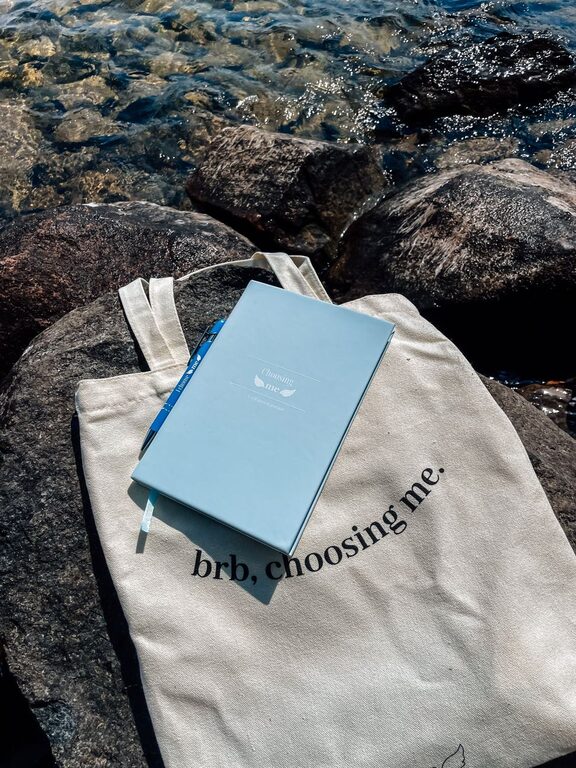
Choosing the right notebook might seem like a simple task, but with so many options available, it can quickly become overwhelming. The ideal notebook is more than just paper bound together; it’s a tool that supports your organization, creativity, or note-taking habits. Whether you want to journal, take meeting notes, or sketch ideas, picking a notebook you’ll actually use can make a big difference. This guide will walk you through the factors to consider when selecting a notebook that fits your lifestyle and encourages consistent use.
Understand Your Purpose
Before browsing your favorite stores or websites, think about how you plan to use your notebook. Different uses require different features, so clarifying your purpose will help narrow down your options.
– Journaling or personal writing: You might want a notebook that feels inviting and durable. Look for quality paper and a design that sparks creativity.
– Work or school notes: Prioritize notebooks with practical features like page numbering, a table of contents, or perforated pages for easy sharing.
– Sketching or drawing: Choose notebooks with thicker paper that can handle ink or markers without bleeding.
– Planning and organizing: Consider planners or notebooks with dated pages, calendars, or sections for goals and to-do lists.
Choose the Right Size
Notebooks come in a range of sizes, from pocket-size to large sketchpads. Selecting the right size depends on your lifestyle and how portable you want your notebook to be.
– Pocket or small (A6 or smaller): Easy to carry everywhere, perfect for quick notes or ideas on the go.
– Medium (A5 or similar): A popular size that balances portability with enough space for writing.
– Large (A4 or bigger): Great for detailed notes or sketches, but less convenient to carry around daily.
If you tend to write a lot or want space for drawings and charts, a medium or large notebook might work better. For those who prefer lightness and convenience, smaller notebooks are ideal.
Consider the Binding Type
The way a notebook is bound affects how easy it is to use and how long it will last.
– Spiral-bound: Allows the notebook to lie flat and fold back on itself, making it easy to write on either side of the page.
– Thread-bound: Offers durability and a classic look; these notebooks usually open flat but might be less flexible than spirals.
– Glue-bound (perfect binding): Common in thinner notebooks; pages may not lay flat, which can be challenging for some users.
– Hardcover vs. softcover: Hardcovers protect pages and provide a sturdy writing surface, while softcovers are lighter and more flexible.
Think about where you’ll use your notebook most frequently. If you often write standing up or on the go, a spiral or hardcover notebook might be more practical.
Pick Your Paper Type and Quality
Paper quality affects how your pen or pencil glides across the page and whether ink bleeds through.
– Weight: Measured in grams per square meter (gsm), heavier paper (around 80-100 gsm or more) is thicker and less likely to bleed.
– Texture: Smooth paper is great for writing, while textured paper can be better for sketching.
– Color: Traditional white or ivory pages are common, but some prefer cream or pastel shades for reduced glare.
– Ruling: Choose from lined, dotted, grid, or blank pages based on your writing or drawing style.
If you use fountain pens, markers, or ink that tends to bleed, investing in higher-quality, thicker paper will enhance your experience.
Think About Additional Features
Sometimes, it’s the little extras that make a notebook enjoyable to use daily.
– Page markers or ribbons: Help you quickly find your spot.
– Pocket or folder: Useful for storing loose papers, receipts, or notes.
– Numbered pages and index: Great for keeping notes organized and easy to reference.
– Elastic closure: Keeps your notebook securely closed in your bag.
– Pen holder: Convenient for keeping your writing tool handy.
Decide which features are must-haves and which you can do without.
Match Your Style and Personality
Since you will be using this notebook frequently, it should be something you enjoy looking at and handling. Whether you prefer minimalist designs, bright colors, or artistic covers, choose a notebook that reflects your personality. This personal connection can motivate you to reach for it often.
Set a Realistic Budget
Notebooks come in a wide price range, from inexpensive pads to premium handcrafted journals. While it’s tempting to splurge on the fanciest option, consider how much you’re willing to invest and how often you plan to replace the notebook. Sometimes a mid-range notebook with good features and quality paper is the best balance.
Try Before You Commit
If possible, visit a store to see and feel the notebooks before buying. Test the paper with your favorite pen and check how the notebook opens and closes. If you prefer online shopping, read reviews and view photos from other users to get a better idea.
Maintain and Personalize Your Notebook
Once you have your notebook, make it your own. Add tabs, stickers, or a personal code to keep it organized. Treat it as a valuable tool to encourage regular use. Remember, the best notebook is one that not only meets your practical needs but also inspires you to write, sketch, or plan daily.
—
Choosing the right notebook is about finding a balance between function, aesthetics, and comfort. By considering your purpose, size, binding, paper quality, and features, you can select a notebook that you’ll love using every day. Happy writing!