

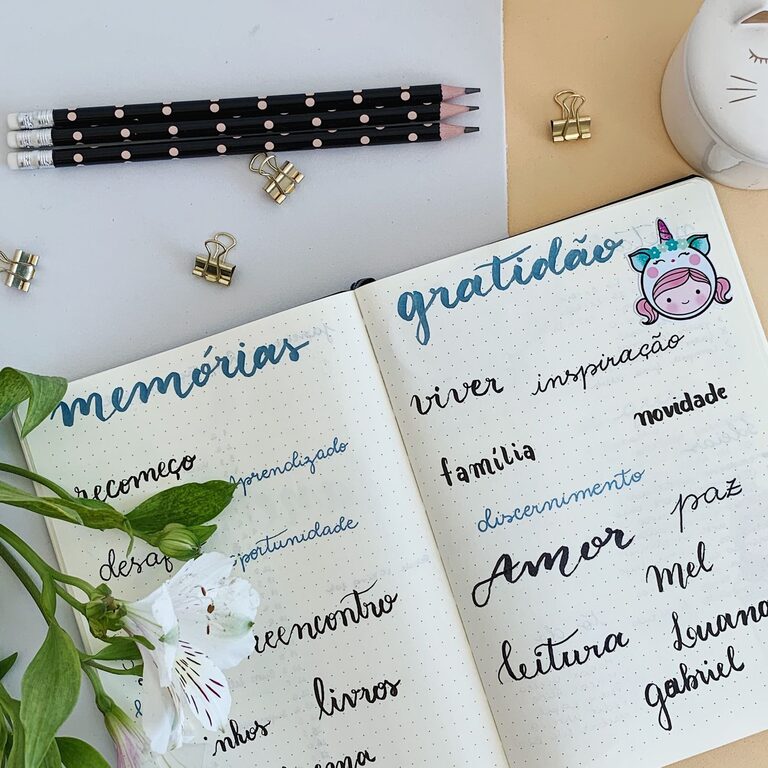
Starting a gratitude journal is a wonderful way to cultivate a more positive mindset and appreciate the small joys in everyday life. By taking just a few minutes each day to reflect on what you’re thankful for, you can improve your overall well-being and reduce stress. If you’re new to journaling or want to add gratitude practice to your routine, this guide will help you get started easily and effectively.
What Is a Gratitude Journal?
A gratitude journal is a personal diary where you regularly write down things you are grateful for. These can be simple moments, experiences, people, or even qualities you appreciate about yourself. The goal is to focus your attention on the positive, which can help shift your mindset and increase feelings of happiness.
Why Keep a Gratitude Journal?
– Improves Mood: Regularly noting positive experiences can boost your mood and reduce feelings of anxiety or sadness.
– Enhances Mindfulness: It encourages present-moment awareness as you reflect on your day.
– Builds Resilience: Focusing on gratitude helps you cope better with challenges.
– Strengthens Relationships: Recognizing and appreciating others fosters closer connections.
– Promotes Better Sleep: Positive reflections before bed can lead to more restful sleep.
Choosing Your Journal
You can use any notebook, a fancy journal, or a digital app—whatever feels comfortable. Here are some options:
– Physical notebook: Many prefer writing by hand for a more personal experience.
– Guided gratitude journals: These often include prompts and inspirational quotes.
– Mobile apps: Apps can send reminders and organize your entries.
– Online documents: A simple word processor or note app works well too.
How to Start Your Gratitude Journal
Step 1: Set a Consistent Time
Pick a time of day when you can dedicate a few minutes to writing. Many find that mornings or evenings work best because you can reflect on the day ahead or the day that just ended.
Step 2: Keep It Simple
Start by writing down 3 to 5 things you’re grateful for each day. They don’t need to be big or extraordinary — everyday moments count.
Step 3: Be Specific
Instead of vague entries like “I’m grateful for my family,” try to be more detailed. For example, “I’m grateful for the phone call I had with my sister today.”
Step 4: Include Why You’re Grateful
Adding a brief explanation helps deepen your reflection and makes your gratitude more meaningful.
Step 5: Mix It Up
If you feel stuck, change your approach by writing about different topics, such as:
– People who made you smile
– Acts of kindness you witnessed
– Personal strengths
– Beautiful things you noticed in nature
Step 6: Reflect on Challenges
You can also express gratitude for lessons learned through difficulties. Acknowledging growth can be just as powerful.
Tips to Maintain Your Gratitude Practice
– Set reminders: Use your phone or calendar to prompt you daily.
– Create a cozy space: A comfortable, quiet spot can make journaling more enjoyable.
– Share with others: Talking about your gratitude can reinforce the habit.
– Don’t pressure yourself: Some days might be harder than others—just write what you can.
– Review regularly: Looking back on older entries can boost your mood and motivation.
Sample Gratitude Journal Entry
Today I’m grateful for the warm sunlight during my morning walk. It made me feel energized and peaceful. I appreciate my coworker who offered help when I was overwhelmed today, reminding me I’m not alone.
Final Thoughts
Starting a gratitude journal can be a simple yet powerful step toward a more positive and mindful life. By committing a few minutes each day to this practice, you create a habit that nurtures happiness and resilience. Remember, there is no right or wrong way to keep a gratitude journal — the most important part is to make it meaningful and enjoyable for you. Give it a try and discover how focusing on gratitude can brighten your everyday experience.