

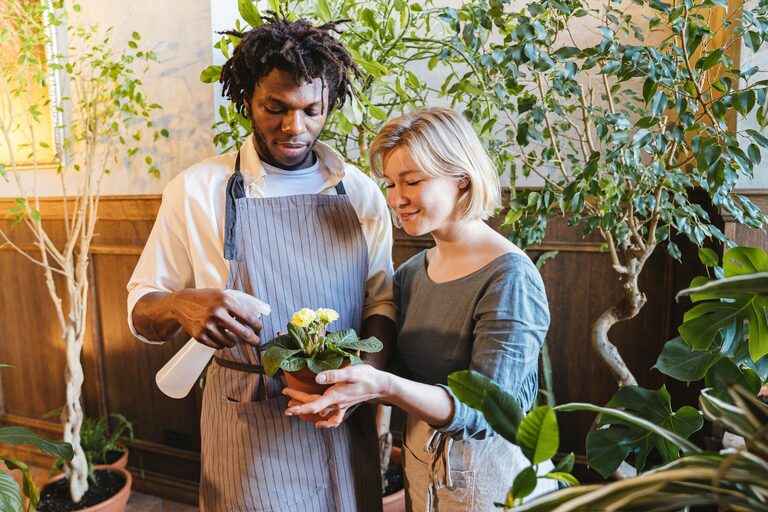
Bringing houseplants into your home is a wonderful way to add greenery, improve air quality, and boost your mood. However, keeping these plants healthy requires a bit of attention and care. Whether you’re a seasoned plant parent or just starting, these tips will help your indoor garden thrive.
Understanding Your Houseplants' Needs
Different plants have different requirements. Knowing your plant’s specific needs is the first step toward successful care.
Know Your Plant Type
– Succulents and cacti: Need bright light and minimal watering.
– Tropical plants: Prefer indirect light and more humid environments.
– Ferns and mosses: Thrive in shaded, humid spots with frequent watering.
Check the plant tag or look up your plant species online to understand its preferences.
Proper Watering Techniques
Watering is one of the most common challenges for houseplant owners. Both overwatering and underwatering can harm your plants.
How to Water Correctly
– Check soil moisture: Before watering, insert your finger about an inch deep. If the soil feels dry, it’s time to water.
– Use room temperature water: Cold water can shock roots.
– Water thoroughly: Ensure water reaches the roots and drains out from the bottom of the pot.
– Avoid standing water: Remove excess water from trays to prevent root rot.
Light and Placement
Light is essential for photosynthesis and overall plant health.
Matching Plants to Light Conditions
– Bright, direct light: Perfect for succulents and some flowering plants.
– Bright, indirect light: Ideal for many tropical plants like peace lilies and pothos.
– Low light: Some plants like snake plants or ZZ plants tolerate lower light conditions.
Rotate your plants regularly to ensure even light exposure on all sides.
Soil and Fertilization
Healthy soil provides nutrients and proper drainage.
Choosing the Right Soil
Use potting mixes designed for your plant type. For example, cactus mixes are well-draining, while tropical plants thrive in moisture-retentive soil.
Fertilizing Tips
– Use a balanced, water-soluble fertilizer during the growing season (spring and summer).
– Reduce feeding in fall and winter when plants typically grow more slowly.
– Follow directions carefully—over-fertilizing can damage roots.
Managing Humidity and Temperature
Indoor environments can sometimes be too dry or too cold for certain plants.
Increasing Humidity
– Group plants together to create a microclimate.
– Use a humidifier, especially in dry winter months.
– Place plants on trays with water and pebbles, ensuring the pot doesn’t sit directly in water.
Maintaining Ideal Temperatures
Most houseplants prefer temperatures between 65-75°F (18-24°C). Avoid placing plants near drafts, heating vents, or air conditioners.
Pruning and Cleaning
Regular maintenance keeps plants healthy and encourages new growth.
How to Prune
– Remove dead, yellowing, or damaged leaves promptly.
– Trim leggy growth to maintain shape and encourage bushier growth.
– Use clean, sharp scissors or pruning shears to avoid infections.
Cleaning Leaves
Dust can block sunlight and reduce photosynthesis.
– Wipe leaves gently with a damp cloth.
– For plants with many small leaves, use a soft brush.
Pest Prevention and Treatment
Even indoor plants can attract pests like spider mites, aphids, or mealybugs.
Preventive Measures
– Inspect plants regularly.
– Quarantine new plants before introducing them to your indoor garden.
– Avoid overwatering and ensure good air circulation.
Natural Pest Control
– Use insecticidal soap or neem oil sprays.
– Rinse affected leaves with water to remove pests.
– Introduce beneficial insects if possible (appropriate for some indoor settings).
Repotting Your Plants
Plants outgrow their pots and need fresh soil periodically.
When to Repot
– Roots growing through drainage holes.
– Soil dries out very quickly.
– Plant becomes top-heavy or stops growing.
How to Repot
– Choose a pot 1-2 inches larger than the current one.
– Gently loosen roots before placing in new soil.
– Water thoroughly after repotting.
Final Thoughts
Caring for houseplants can be a rewarding and relaxing hobby. By paying attention to the specific needs of your plants and providing the right environment, you’ll enjoy beautiful, healthy greenery in your home. Remember, patience and observation are key—each plant may respond differently over time. Happy gardening!